Scent-Scaping: The Invisible Layer of Luxury in Floral Design
Scent-Scaping: The Invisible Layer of Luxury
We often talk about the visual impact of a room, the scale of the arches, the "untamed" reach of the greenery, or the way the light hits a centerpiece. But there is a silent, invisible layer that does the heavy lifting when it comes to memory: Scent.
My design process begins the moment I step into a venue. Before I’ve even pulled a single stem from the van, I’m listening to what the room is telling me. I've always been in tune with scent, I can smell the seasons changing, I almost know to the day when it's happening.
Designing for the Room
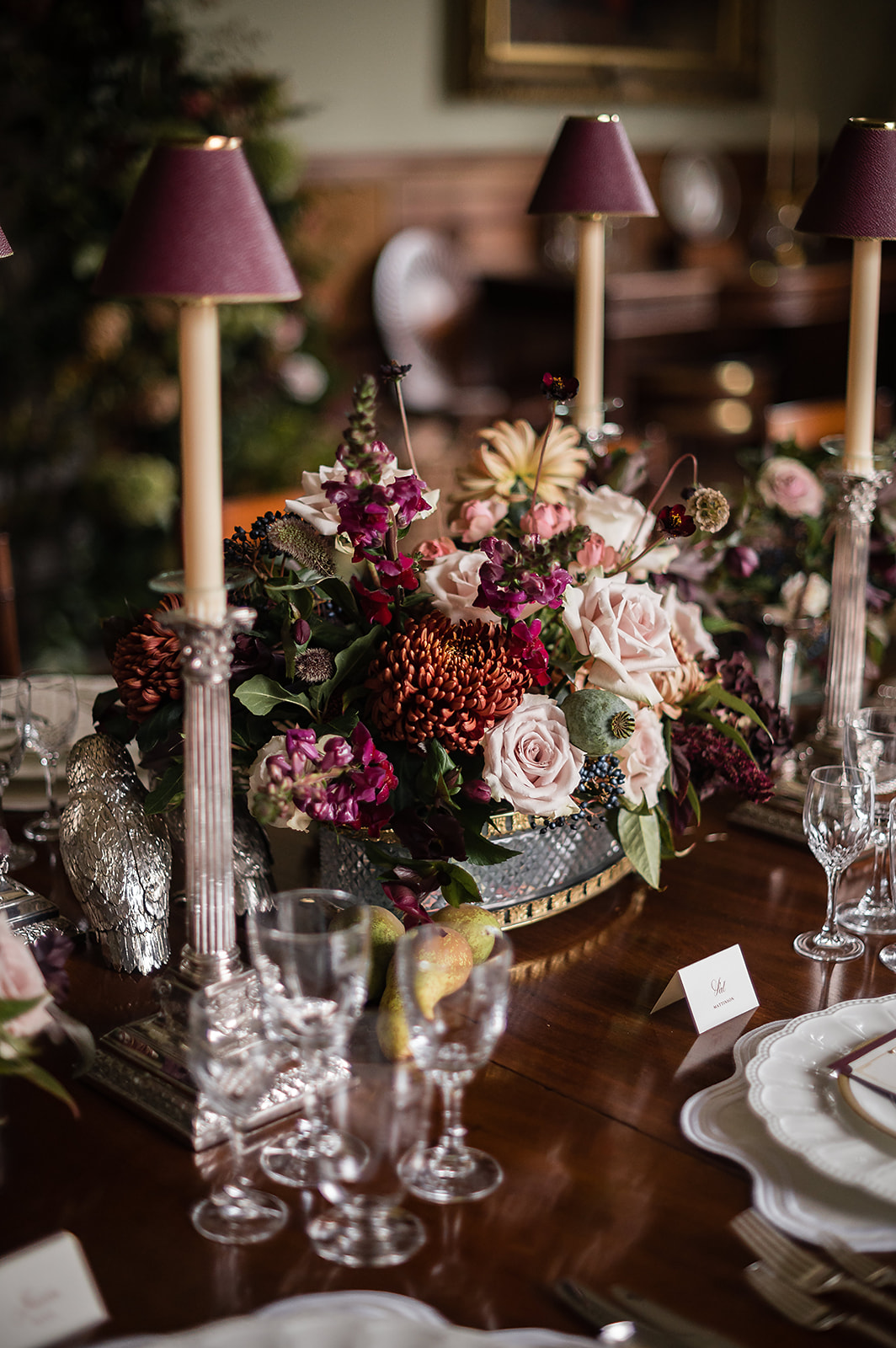
Every venue has its own feel and ambience and scent. When I walk into, Birdsall House, for example it smells of tuberose, a scent I want to either lean into or carefully complement. In rooms filled with heavy mahogany and historic portraits, my mind immediately goes to embers, musk, and deep woods.
When we start designing fo, a marquee celebration It always begins with the scent of cut grass. In these open-air structures, the scent of the surrounding gardens becomes part of the architecture. For grander, city venues, spaces like The Savoy, the volume is so vast that we often enhance the natural floral perfume with luxury scented candles to ensure the "scent-scape" doesn't get lost.
The Seasonal Nose
For me, the arrival of Sweetpeas is the official start of the wedding season. They are the scent of spring and summer personified, and I find myself trying to weave them into almost everything during those months.
As the seasons shift, so does our palette:
- Summer Garden Weddings: We lean heavily into mint (there are so many incredible flowering varieties) and rosemary for a crisp, botanical freshness.
- The Botanical Takeover: We use trailing Jasmine and even tomato vines, a personal favourite for adding a sophisticated, earthy "vineyard" scent to an installation.
- Winter Heritage: Scent scaping isn't just for summer. In the colder months, we bring in the nostalgia of pine, dried orange, and cinnamon to create that unmistakable winter warmth.
The Art of the "Invisible" Perfume
Scent at events is increasingly becoming more popular, it become part of what clients love, and more importantly, what they don’t like.
For instance, while Gypsophila looks incredible en masse, its natural scent is... less than luxurious. In those moments, I have a few "tricks of the trade." I’ve been known to discreetly mist certain arrangements with Jo Malone’s Peony & Blush Suede to ensure the air stays as elegant as the aesthetic. It’s also why we are careful with Alliums—nobody wants their wedding breakfast to be overshadowed by a sudden scent of onions!
The Memory of a Scent
By the time the candles are lit and the guests arrive, I’ve usually gone "nose-blind" to the sweetpeas, garden roses, and peonies in the room. But for the guests, that first breath as they enter the Ballroom is everything and it is normally the first thing that is commented on.
Scent is the only sense that bypasses the brain and goes straight to the heart. Whether it's the delicate trail of Lilac and Freesia or the heady richness of Gardenia and Narcissus, we don't just design for the eyes, we design for the memory.

My Top 5 Scent-Scaping Botanicals:
- Sweetpeas: The ultimate herald of summer.
- Jasmine Vines: For a romantic, trailing scent that "moves" through the air.
- Garden Roses: Specifically high-scent varieties that smell like a true English garden.
- Mint & Rosemary: For an earthy, sophisticated herbal layer.
- Tuberose: For grand, historic spaces that need a bold, sophisticated signature.

When we really start getting into the design scent will come up in our conversations, it's important, not only for those smells you love, but also the scent you may dislike - bergamot for me, I just can't abide by it!